
Gastroscopy in Dubai

Dr Nigel Beejay is a Consultant Gastroenterologist providing gastroscopy in Dubai for acid reflux, upper abdominal pain, anaemia, swallowing difficulties, and other upper gastrointestinal symptoms, based at Emirates Hospital Jumeirah.

What is a gastroscopy?

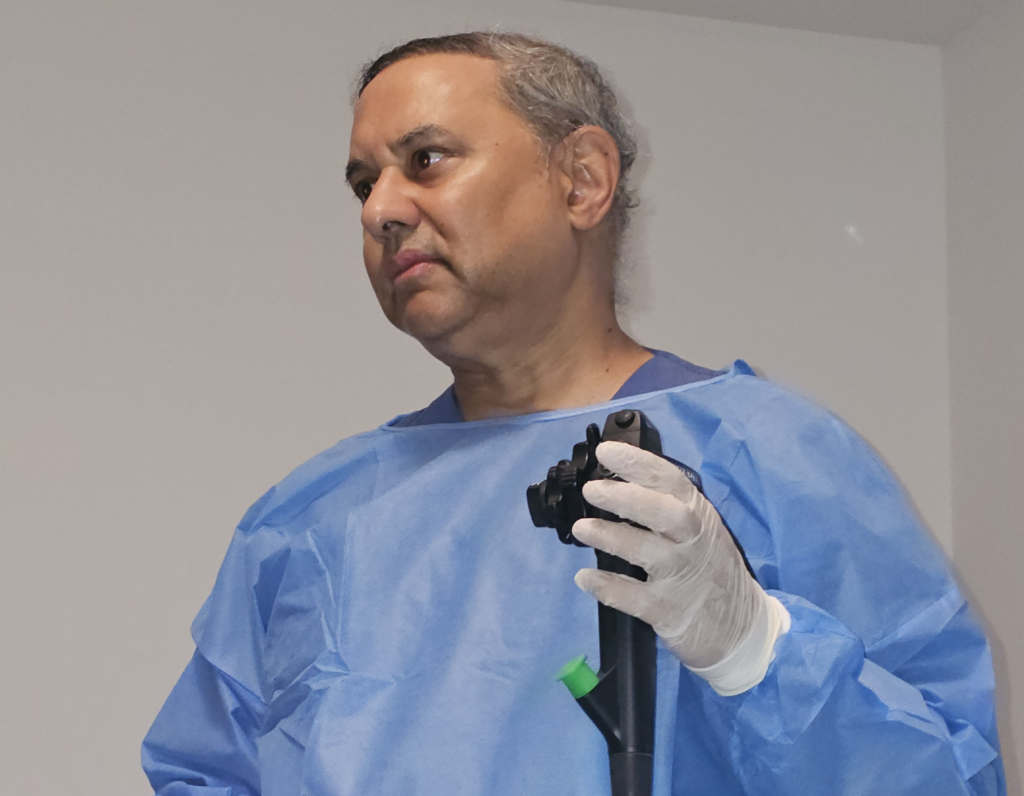
A gastroscopy is a medical procedure used to examine the upper part of the digestive system, including the oesophagus (food pipe), stomach, and the first part of the small intestine. It is carried out using a thin, flexible tube with a camera on the end, called a gastroscope, which is gently passed through the mouth. A gastroscopy helps identify causes of symptoms such as indigestion, reflux, swallowing difficulties, anaemia, or abdominal pain, and can also be used to take biopsies or treat certain conditions during the same procedure.

When is a gastroscopy recommended?

A gastroscopy is recommended to investigate symptoms affecting the upper digestive system or to monitor known conditions. It is commonly advised if a patient has persistent indigestion or reflux, difficulty or pain when swallowing, unexplained anaemia, upper abdominal pain, nausea or vomiting, or unexplained weight loss. It is also used to assess bleeding, stomach or oesophageal ulcers, Barrett’s oesophagus, coeliac disease, or Helicobacter pylori infection, and to monitor or follow up previously identified conditions. In some cases, gastroscopy is performed urgently if there are alarm symptoms such as bleeding, severe anaemia, or swallowing problems.

What happens during the procedure?

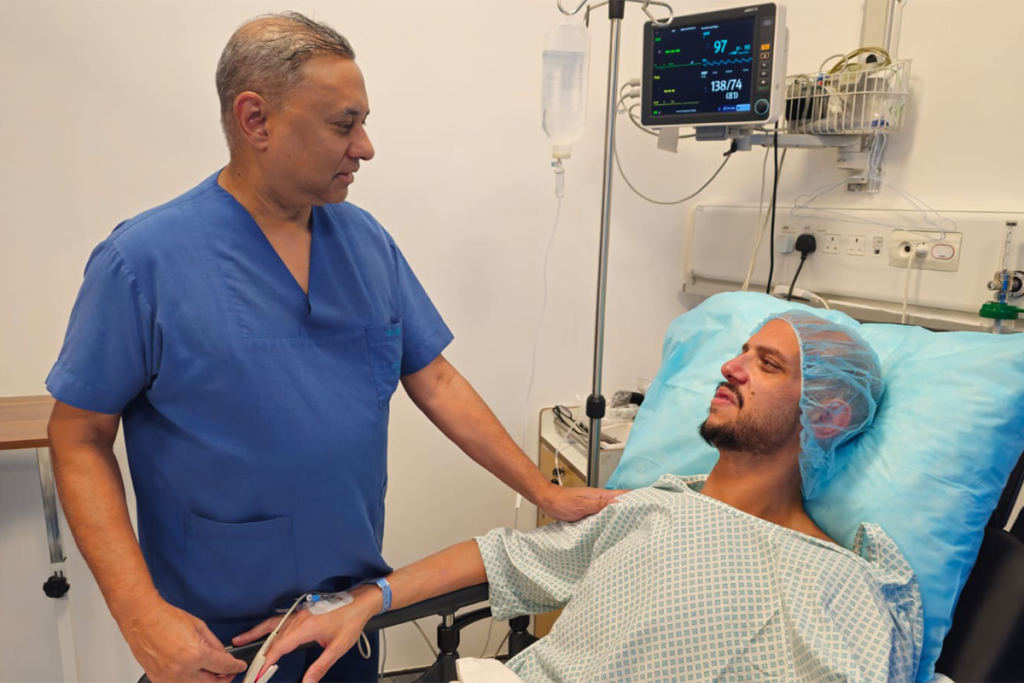
During a gastroscopy, you will be made comfortable and usually given a local throat spray and, if needed, light sedation to help you relax. A thin, flexible tube with a camera (the gastroscope) is gently passed through the mouth and down into the oesophagus, stomach, and first part of the small intestine. The camera transmits clear images to a screen, allowing the doctor to carefully examine the lining. If necessary, small biopsies can be taken or minor treatments carried out painlessly. The procedure typically takes 5–10 minutes, and most patients tolerate it very well.

Preparation for gastroscopy

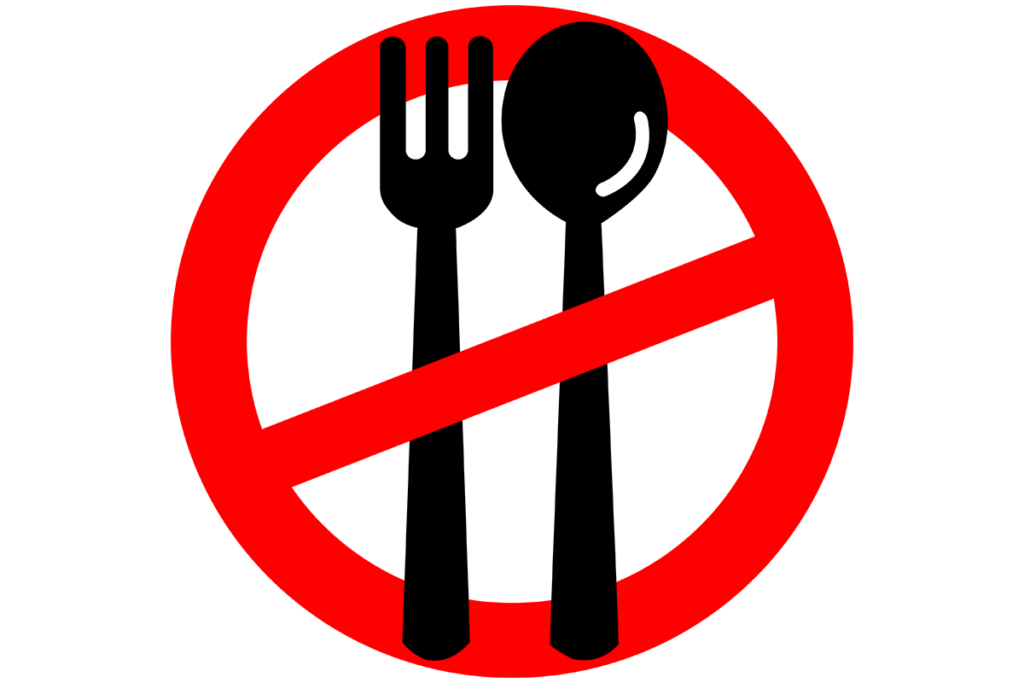
To ensure a clear and safe examination, your stomach needs to be empty. You will be asked not to eat for at least 6 hours before the procedure and to stop drinking clear fluids 2 hours beforehand, unless advised otherwise. Certain medications may need to be adjusted in advance, and you will be given clear instructions if this applies to you. If you are having sedation, you should arrange for someone to accompany you home. Following the preparation guidance carefully helps ensure the procedure is accurate, quick, and comfortable.

After the gastroscopy

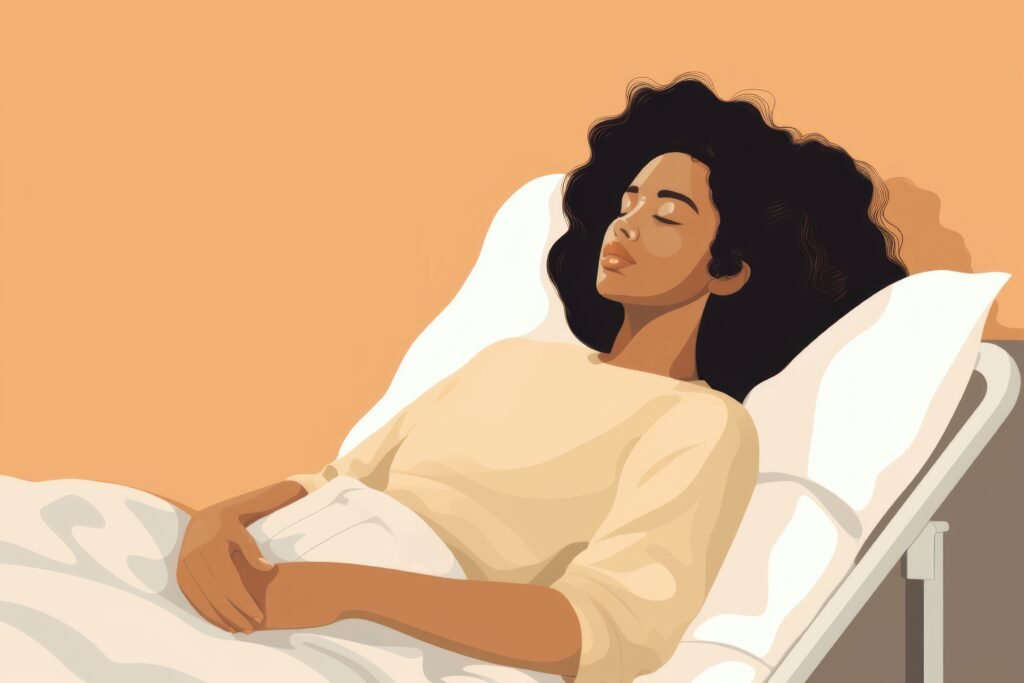
After the procedure, you will rest briefly while the effects of any sedation wear off. Your throat may feel slightly sore or numb for a short time because of the throat spray; this usually settles within a few hours. Once fully awake, you can usually eat and drink normally, unless advised otherwise. If biopsies were taken, this is painless, and you will be informed when to expect the results. You should not drive, work, or make important decisions for the rest of the day if you received sedation. Your doctor will explain the findings before you leave.

Why choose Dr Nigel Beejay for gastroscopy in Dubai?

Dr Nigel Beejay is an internationally trained consultant gastroenterologist with an exceptional academic and clinical background. He trained at some of the world’s leading institutions, including University of Cambridge, Boston University, University of Toronto, Oregon Health & Science University, and the University of London. He treats patients internationally across London, Dubai, and Abu Dhabi, bringing global expertise and consistently high standards of care to every gastroscopy.

Frequently asked questions

Is a gastroscopy painful?

No. Most patients tolerate it very well. A throat spray and, if needed, light sedation are used to minimise discomfort.

How long does a gastroscopy take?

The procedure usually takes 5–10 minutes, although you should allow extra time for preparation and recovery.

Will I be asleep during the procedure?

Some patients choose light sedation and remember very little. Others remain awake with just throat spray.
Can biopsies be taken?

Yes. Small biopsies are commonly taken to help with diagnosis. This is painless and does not usually cause symptoms.

When can I eat and drink again?

Once the throat numbness has worn off, you can usually eat and drink normally unless advised otherwise.

Are there risks?

Gastroscopy is very safe. Serious complications are rare, and any risks will be explained beforehand.

When will I get my results?

The doctor will usually discuss initial findings on the same day. Biopsy results are typically available within a few days.

Scroll to Top