
Colonoscopy in Dubai

Dr Nigel Beejay is a Consultant Gastroenterologist providing Colonoscopy in Dubai for bowel symptoms, cancer screening, iron deficiency, and anaemia, based at

What is a colonoscopy?

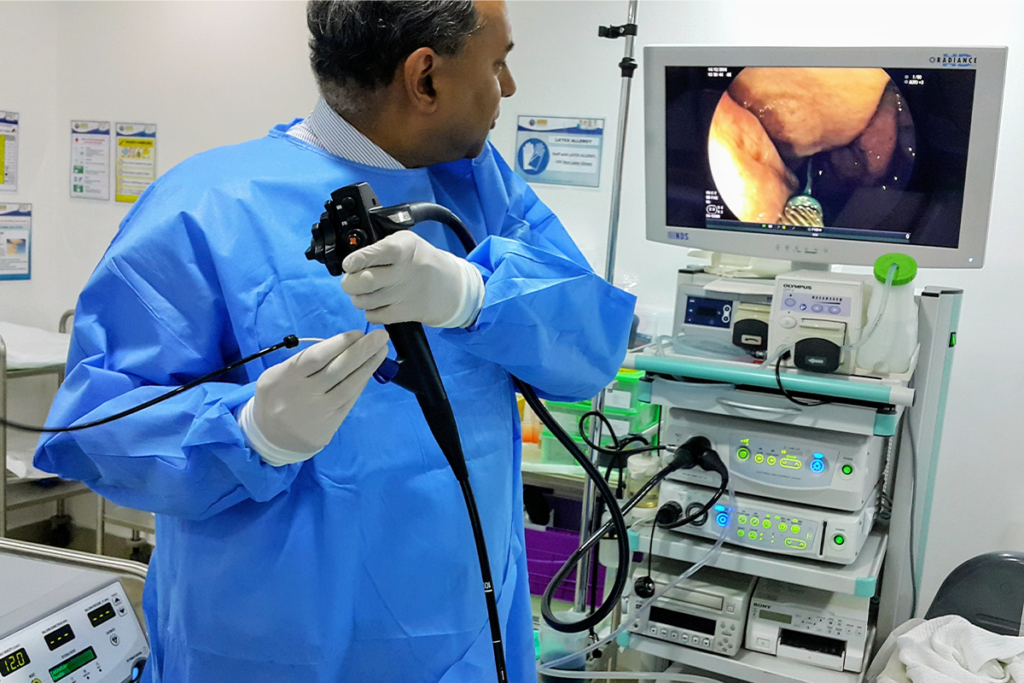
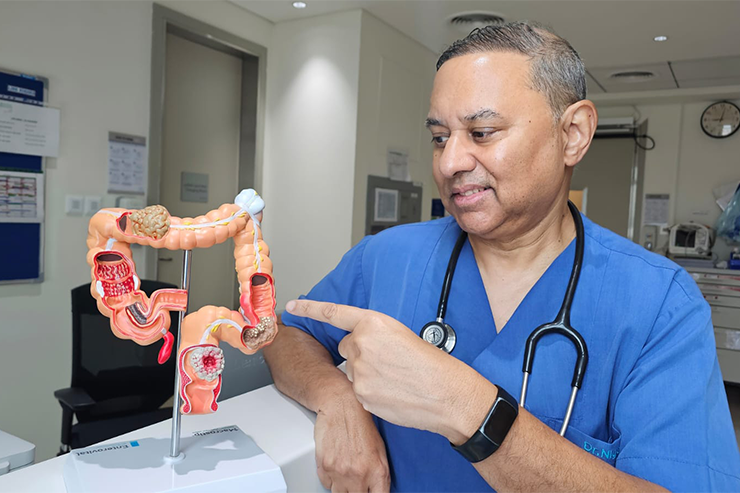
A colonoscopy is a medical procedure that allows a doctor to examine the inside of the large bowel (colon). It is performed using a thin, flexible tube with a small camera on the end, called a colonoscope, which is gently passed through the rectum. This test helps identify problems such as inflammation, polyps, or bowel cancer, and it can also be used to treat certain conditions at the same time, for example by removing polyps.

When is a colonoscopy recommended?

A colonoscopy is a test used to check the health of the bowel, either as a screening test or to investigate symptoms. It is commonly recommended for patients over the age of 40 to help prevent bowel cancer, especially for people with a family history or other risk factors. At any age, it may be advised if there is bleeding from the back passage, ongoing changes in bowel habit, persistent diarrhea, unexplained anaemia, weight loss, or worrying abdominal pain. A colonoscopy is also used to clarify abnormal stool tests or scans, diagnose bowel conditions such as inflammation, and to monitor people who have previously had bowel polyps, bowel cancer, or long-standing bowel disease.

What happens during the procedure?

During a colonoscopy, you will be made comfortable and usually given sedation to help you relax and minimise discomfort. Once you are settled, a thin, flexible tube with a small camera is gently passed through the rectum and guided around the large bowel. The camera allows the doctor to carefully examine the bowel lining on a screen. If anything abnormal is seen, such as a polyp, it can often be treated immediately, for example by removing it painlessly. The procedure usually takes 20–40 minutes, after which you are monitored briefly before going home the same day.

Preparation for colonoscopy

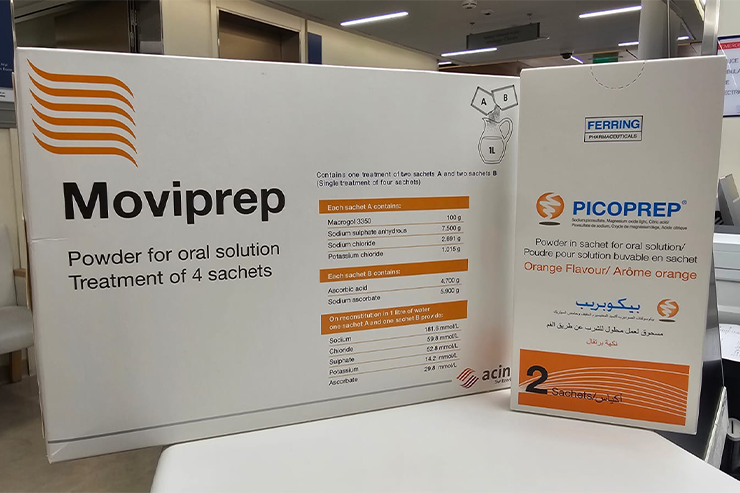
Good preparation is essential for an accurate colonoscopy. In the days before the procedure, you will be asked to adjust your diet, usually avoiding high-fibre foods. The day before the test, you will switch to clear fluids only and take a bowel-cleansing solution to empty the colon completely. This may involve several trips to the bathroom and is a normal part of the process. You will be given clear, step-by-step instructions in advance, and following them carefully helps ensure the procedure is thorough, safe, and does not need to be repeated.

After the colonoscopy

After the procedure, you will rest for a short time while the effects of sedation wear off. You may feel slightly bloated or pass wind due to air used during the examination; this usually settles quickly. Most people can eat and drink normally the same day. If biopsies were taken or polyps removed, this is typically painless, and you will be advised on any temporary restrictions. You should not drive, work, or make important decisions for the rest of the day. Your doctor will explain the findings before you leave, and any biopsy results will be discussed once they are available.

Why choose Dr Nigel Beejay for colonoscopy in Dubai?

Dr Nigel Beejay is a highly experienced Consultant Gastroenterologist with a long-standing role in shaping bowel cancer screening in the United Arab Emirates, first in Abu Dhabi and later across the Emirates more than a decade ago. He trained under internationally recognised leaders in colonoscopy and is widely respected for his advanced endoscopy expertise, technical precision, and clinical judgement. Patients benefit from high-quality, evidence-based care delivered by an endoscopist known for thoroughness, safety, and attention to detail.

Frequently asked questions

Is a colonoscopy painful?

Most patients find the procedure very comfortable. Sedation is usually given to help you relax and minimise any discomfort.
How long does a colonoscopy take?

The procedure itself typically takes 20–40 minutes, although you should allow a few hours in total for preparation and recovery.

Will I be asleep during the procedure?

You are usually given light to moderate sedation. Many people sleep through it or remember very little afterwards.

When can I return to normal activities?

Most patients feel back to normal the next day. You should avoid driving, work, or important decisions on the day of the procedure.
Are there risks?

Colonoscopy is very safe. Serious complications are rare, and your doctor will discuss any risks with you beforehand.

When will I get my results?

Initial findings are usually explained on the same day. If biopsies are taken, results are typically available within a few days.

How often do I need a colonoscopy?

This depends on your age, symptoms, family history, and findings. Your doctor will advise you on the appropriate interval.

Scroll to Top